









You can confidently purchase and enjoy all Boar's Head products you see in stores.
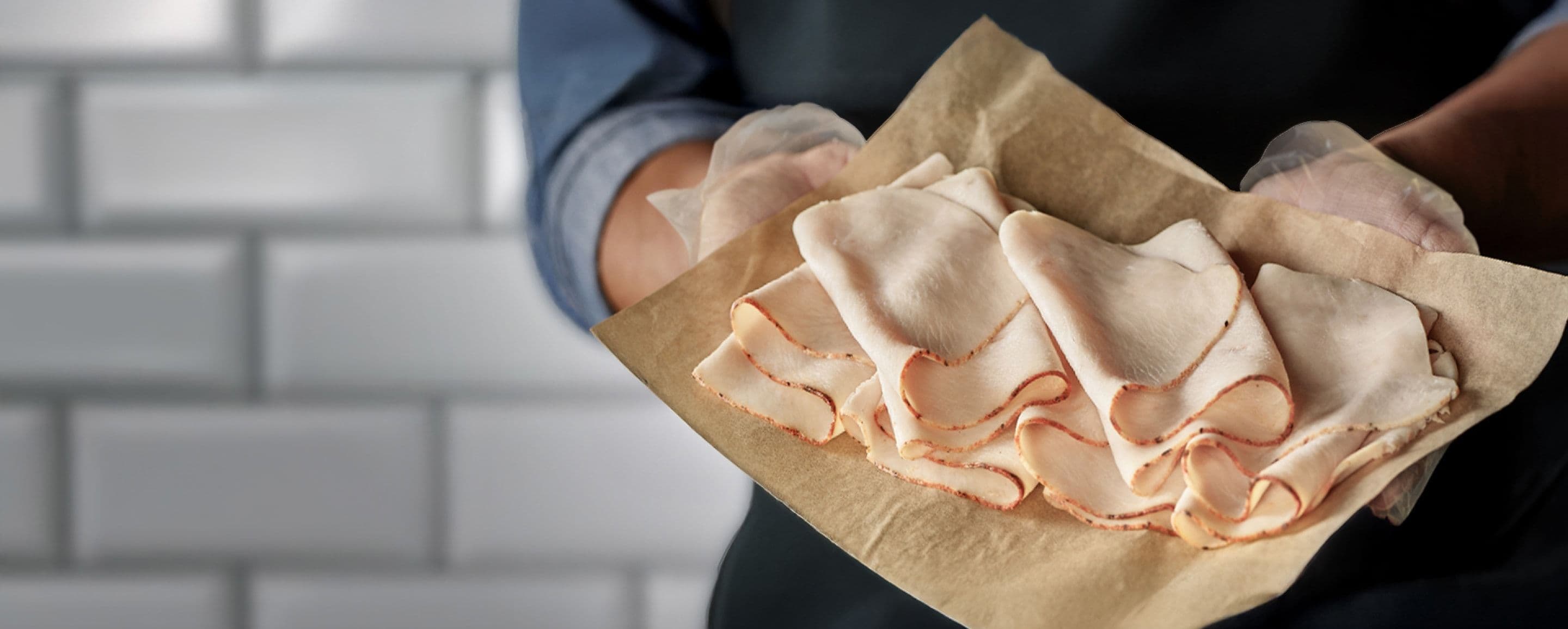
Food Safety and Quality at Boar's Head
Committed to Food Safety
At Boar's Head, food safety is at the core of everything we do. We're committed to delivering safe, high-quality foods that you can enjoy with confidence.
Team members receive ongoing, comprehensive training to ensure they understand and uphold these standards, and we foster a strong culture of food safety. Our production locations adhere to Global Food Safety Initiative requirements and are Safe Quality Food (SQF)-certified, meeting internationally recognized standards for public health and safety.
Your trust is essential to us. We remain steadfast in our dedication to earning that trust and to setting a new industry standard for food safety.
Safety Insights
We are continuing to implement and maintain the highest standards of food safety practices and protocols at Boar's Head. We're sharing the latest on our new blog: Safety Insights.
This blog is a place to share how we think about food safety and how we continue to strengthen our practices through learning, accountability and continuous improvement. We'll continue sharing insights and updates on the work we have been doing every day to continue to provide high-quality products that consumers can enjoy with confidence.
Food Safety Process Overview
Maintaining Food Safety ExcellenceFood Safety and Quality Assurance are comprehensive processes that involve more than just our products—they're about ensuring excellence from start to finish. Our approach includes rigorous food safety programs, stringent food handling certifications, ongoing third-party inspections, and advanced technologies designed to uphold the highest safety standards. We also focus on employee training and provide the support they need to maintain these standards and foster our food safety culture. Under the guidance of our Chief Food Safety Officer and Food Safety Advisory Council, we are continuously innovating and refining our processes to excel in food safety and deliver the trusted quality you expect.
Food Safety Certification
Holding Ourselves to High Standards
Food safety certification is a critical part of our food safety strategy. Our production locations adhere to Global Food Safety Initiative requirements and are Safe Quality Food (SQF)-certified, meeting international standards for public health and safety. Regular audits and recertifications are conducted to maintain compliance and uphold our stringent food safety and quality requirements. These certifications not only validate our practices but also reinforce our dedication to delivering safe, high-quality products that you can trust.
Enhanced Control Measures
Reducing Food Safety Risk
Our facilities follow the USDA's rigorous Alternative 2 requirements for Listeria control. This proactive approach combines intensified sanitation practices and environmental testing with advanced processes such as high pressure or hot water pasteurization to reduce food safety risk. By integrating these multi-step safeguards, this science-based approach ensures that every Boar's Head ready-to-eat meat or poultry product meets a higher standard of safety without compromising the premium quality and flavor you expect.
Clean & Safe Facilities
Maintaining Rigorous Sanitation Practices
Sanitation is a cornerstone of our food safety commitment. Our facilities undergo scrupulous daily cleaning and sanitation processes, with hours each day dedicated to a top-to-bottom cleanup and sanitization of our manufacturing equipment, surfaces and plant environments. Employees adhere to strict hygiene protocols, donning extensive protective equipment, including gloves, boots, aprons, hair nets, hard hats and face coverings, in addition to frequent handwashing and boot cleaning to ensure a clean environment. We also regularly test equipment and the environment to ensure they are clean and sanitized. Our commitment to the highest standards of sanitation is evidenced through stringent cleaning protocols, regular inspections, and advanced sanitation technologies.
Daily USDA Monitoring
Ensuring Constant Compliance
As part of its normal course practices, the United States Department of Agriculture (USDA) conducts daily inspections at each of our meat processing facilities. This on-site oversight ensures continuous compliance with federal regulations and provides an added layer of assurance that our processes meet rigorous safety criteria. When inspectors bring any concerns to our attention, we swiftly respond and address the issue. By having USDA representatives present every day, this provides an added layer of assurance that all products are handled and produced according to safety protocols. To learn more about the role of the USDA in protecting the public's health, click here.
Employee Wellness
Strengthening Our Foundation
Our employees are integral to maintaining the high safety standards at Boar's Head. We prioritize comprehensive wellness programs, safety training, and ongoing support to ensure that our team members are equipped to perform at the high levels we expect. By fostering a supportive work environment, we empower our employees to uphold our safety procedures and protocols in every aspect of our work.
Supplier Collaboration
Ensuring Safety from the Source
Food safety at Boar's Head begins long before production. We expect the same high standards of our suppliers and partners that we expect of ourselves. We work closely with them through rigorous vetting, continuous monitoring, and routine audits. Our Supplier Collaboration protocols include comprehensive food safety certifications, and regular evaluations of supplier practices. This proactive approach ensures that every ingredient meets our high safety standards, safeguarding the integrity of our products and maintaining excellence from farm to fork.
Food Safety Advisory Council
Boar's Head's Food Safety Advisory Council is comprised of the industry's foremost food safety authorities. These renowned experts collaborate with our Chief Food Safety Officer and internal teams to ensure our food safety and quality assurance standards are among the best.

Frank Yiannas, MPH
Chief Food Safety AdvisorThe former Deputy Commissioner for Food Policy & Response at the U.S. Food and Drug Administration (FDA), Mr. Yiannas brings a wealth of experience in regulatory oversight and public health. His leadership in implementing the FDA's Food Safety Modernization Act (FSMA) has significantly improved food safety standards across the nation. A renowned food safety expert, microbiologist, and author, Mr. Yiannas has also held food safety leadership roles at Walmart and Disney. He is a past president of the International Association for Food Protection and a past vice-chairman of the Global Food Safety Initiative, as well as an adjunct Professor in the Food Safety Program at Michigan State University. Mr. Yiannas's vast experience in building effective food safety management systems through innovative ways and his founding work on food safety culture will be pivotal in shaping our food safety programs going forward.

David Acheson, M.D., F.R.C.P.
Dr. Acheson has a distinguished career in food safety and has served as the President and Chief Executive Officer of The Acheson Group since founding the global food safety consulting group in 2013. Previously he served as a Partner and Managing Director of Leavitt Partners, where he founded and managed the firm's food safety services business. Prior to his industry roles, Dr. Acheson served at the U.S. Food and Drug Administration (FDA) for eight years, progressing from Chief Medical Officer of the Center for Food Safety and Applied Nutrition to Associate Commissioner for Foods. His expertise in international food safety standards and risk assessment is invaluable to the council.

Martin Wiedmann, Dr. med. vet., Ph.D.
A renowned food microbiologist and academic, Dr. Wiedmann is a Cornell University Gellert Family Professor in Food Safety and the co-director of the New York State Integrated Food Safety Center of Excellence. With training as both a veterinarian and food scientist, Dr. Wiedmann's programs focus on acomprehensive and interdisciplinary farm-to-table approach to food safety and quality. He has conducted extensive research on foodborne pathogens and their prevention, with notable insights into emerging food safety threats and cutting-edge technologies that will contribute significantly to the council's work.

Paul Kiecker
Former United States Department of Agriculture (USDA), Food Safety and Inspection Service (FSIS) Administrator Paul Kiecker is an accomplished executive with more than 37 years of distinguished service. He has extensive leadership experience overseeing food safety, inspection, regulatory operations, enforcement, and public health initiatives. Throughout his career, Paul has led complex organizational programs, managed significant resources, modernized inspection systems, and developed strong partnerships with federal, state, international, industry, and consumer organizations. He has served in other senior executive roles, including Deputy Administrator and Assistant Administrator, providing strategic direction and policy leadership. Known for sound judgment, collaboration, and results-driven leadership, Paul has consistently advanced food safety, regulatory compliance, operational excellence, and the protection of public health.
Frequently Asked Questions
Find answers to common questions about Boar's Head food safety practices.
Alt 2 for Listeria control is one of the food safety standards set by the U.S. Department of Agriculture (USDA) for ready-to-eat meats and poultry. This robust set of preventative measures is designed to significantly reduce the risk of Listeria contamination.
To provide additional layers of protection, Boar's Head has upgraded its processes to meet the stringent Alt 2 control requirements across our entire ready-to-eat meat portfolio. This commitment brings Boar's Head to a higher level of food safety standards in the industry and ensures you can enjoy our products with confidence.
Our production plants are equipped with advanced technologies that monitor every stage of the process, from sanitation to temperature control. We also perform routine inspections, daily quality checks, and regular audits to ensure all safety protocols are consistently upheld.
Yes, USDA inspectors are on-site at our meat and poultry production facilities every day. This continuous oversight ensures that our processes meet federal safety standards, providing an added layer of assurance that all products are handled and produced according to safety protocols.
Our plant employees follow rigorous safety protocols, including proper sanitation, personal protective equipment (PPE) use, and frequent handwashing and boot washing. They also undergo comprehensive and continuous training on safe food handling practices and quality control measures, ensuring our products meet the highest standards of safety and cleanliness.
Our production locations adhere to Global Food Safety Initiative requirements and are Safe Quality Food (SQF)-certified, meeting internationally recognized standards for public health and safety.
Our distribution centers operate with strict temperature control systems and advanced monitoring technologies to ensure products are stored and transported under optimal conditions. We also maintain detailed traceability records, ensuring that every product can be tracked from production to delivery.
To maintain the quality and safety of our products, we recommend refrigerating them at or below 40°F, avoiding cross-contamination with other foods by using clean utensils and surfaces, and consuming products by the recommended use-by dates. Always store deli meats in sealed containers or packaging. In addition, the USDA recommends that people at higher risk (above age 65, immunocompromised, and/or pregnant) not eat deli meats unless reheated to an internal temperature of 165°F or until steaming hot. Let it cool before you eat it.
Consumer Food Safety Resources
Want to learn more about food safety? Check out these helpful resources.
